There was a time when telling your kids to “go outside” was enough.
They built forts. Caught frogs. Rode bikes. Followed creeks. Came home muddy.
Nobody called it enrichment. It was just childhood.
Richard Louv’s book Last Child in the Woods helped bring attention to the growing disconnect between children and nature. And since the book was published, researchers have continued studying an interesting question:
What does spending time in nature actually do for a child’s developing brain?
What the Research Is Finding
Research into children and exposure to nature has associated time in greener environments with several potential benefits:
- Improved attention – Studies have found associations between exposure to green space and improvements in attention and reduced inattentiveness.
- Working memory – A large study of schoolchildren found that greater exposure to greenery, particularly around schools, was associated with greater progress in working memory.
- Lower stress – Research suggests that natural environments may help reduce stress and give the brain a break from constant stimulation.
- Mental well-being – Large reviews of the research have found positive associations between children’s contact with nature and mental health.
- More physical activity – This may be one of the simplest benefits. Give kids somewhere interesting to explore and they have a reason to move.
The science is still developing, and these studies don’t mean that spending Saturday in the woods is a cure for a medical condition.
But they do suggest something important:
Where children spend their time matters.
What Happens When You Give a Kid Some Land?
This is where the research becomes real.
Give a kid a creek, some woods and an afternoon without a screen and suddenly:
- A fallen tree becomes a bridge.
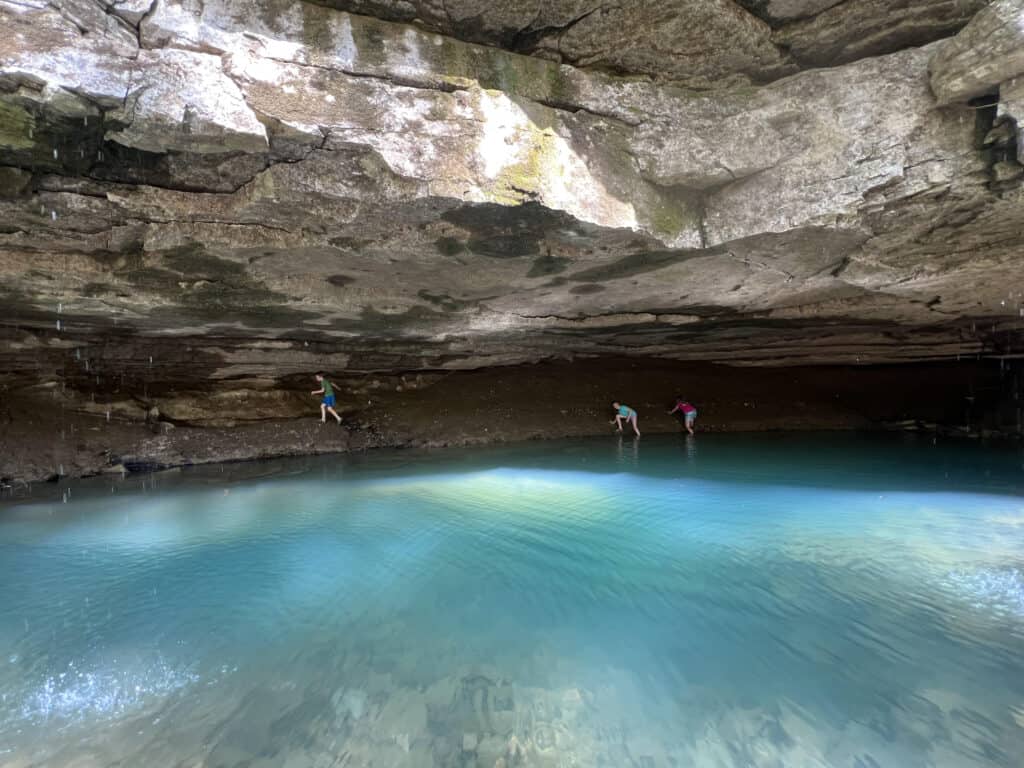
- A creek becomes a science experiment.
- Animal tracks become a mystery.
- An old road becomes a bike trail.
- A field becomes a campsite.
- A pile of sticks becomes a fort.
- Getting bored turns into figuring out what to do next.
They explore.
They make decisions.
They solve problems.
They take manageable risks.
They use their imagination.
And sometimes the best thing a parent can do is simply get out of the way and let them figure it out.
What Does 10 Acres Really Give Your Family?
As a land broker, I naturally look at 10 acres and think about:
- Road frontage
- Topography
- Timber
- Water
- Soils
- Homesites
- Market value
- Future appreciation
But that’s only one way to value land.
Your kids might see:
- A creek to catch minnows in
- Woods to explore
- Their first deer stand
- A place to learn to fish
- Somewhere to camp
- Trails to ride
- Room for a garden or animals
- A place where Mom and Dad aren’t telling them to put the phone down—because they forgot about it
That’s a different kind of return.
Not Every Investment Has to Be Measured in Dollars
Land can absolutely be a financial investment.
But it can also be an investment in:
- Time together
- Childhood experiences
- Independence
- Curiosity
- Family traditions
- Outdoor skills
- Memories
Twenty years from now, your kids probably won’t remember most of the things they watched on a screen.
They might remember the creek
The fort.
Their first fish.
Their first deer.
Camping with Dad.
Driving the tractor for the first time.
Or that piece of ground where Mom and Dad finally let them wander a little farther than they had before.
You Don’t Need 100 Acres
This is probably my favorite part.
Giving your family access to land doesn’t necessarily mean buying a huge farm.
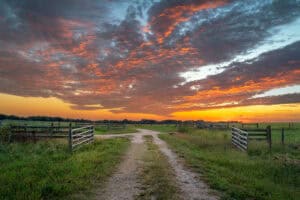
- 5 acres could give you a creek, woods and a place to explore.
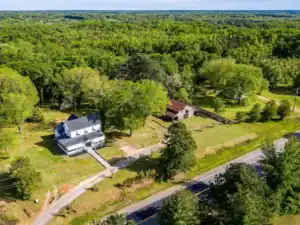
- 10 acres could provide trails, camping and a future homesite.
- 20 acres could offer hunting, recreation and enough room to really get away.
- A small farm could give your kids animals, gardens, chores and a connection to where food comes from.
The right property isn’t necessarily the biggest property. It’s the property your family will actually use.
Give Them Somewhere to Go Outside
Richard Louv challenged parents to think about what children may lose as childhood becomes increasingly disconnected from nature.
Modern research is beginning to help us understand why that connection may matter.
But maybe our grandparents already knew something we’ve forgotten:
Kids need to go outside.
Give them some woods – Give them a creek – Give them room to explore.
And every once in a while…
give them somewhere to get a little lost.
Find Your Family’s Piece of Ground
View Land For Sale or Contact Me About Finding Land
At Rundorff Land Realty, we help families find land throughout Upstate South Carolina for recreation, hunting, farming, building and simply spending more time outside.
You don’t necessarily need a huge property.
You just need the right piece of ground.
Rundorff Land Realty
Buy. Sell. Invest.