
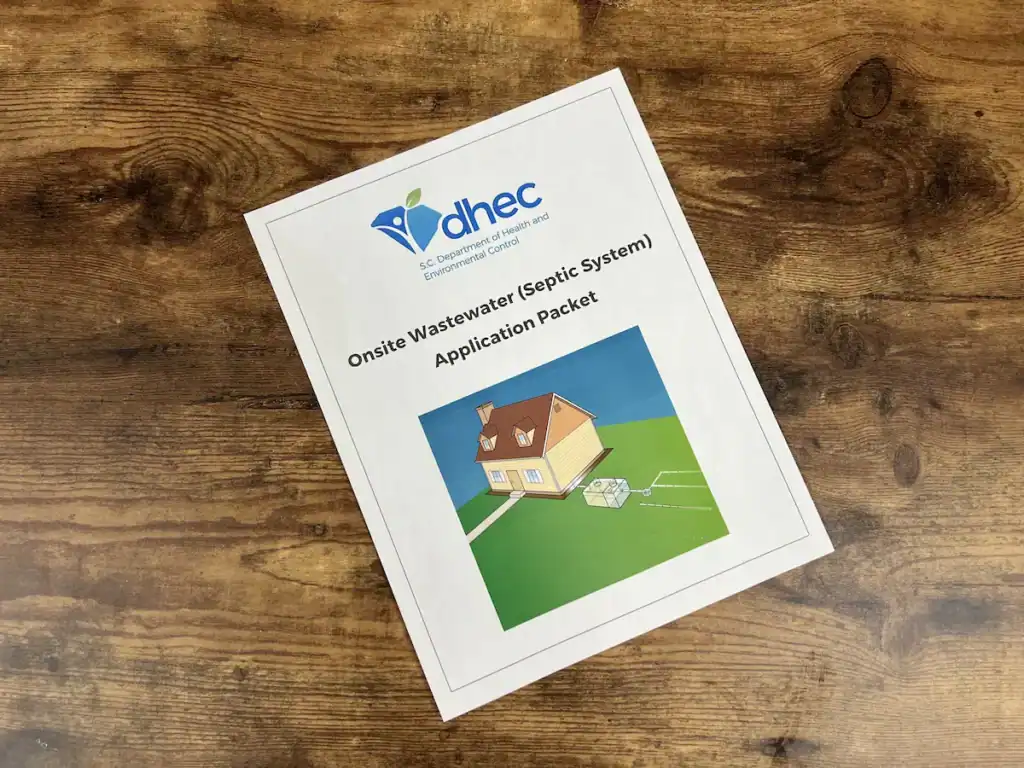
If you’re selling land in Anderson County, one of the most important steps in maximizing your property’s value is understanding—or even completing—a perc test.
A perc test determines whether the soil on your property can support a septic system, which is essential for most rural home sites in Upstate South Carolina.
Why Sellers Should Care About Perc Tests
From a buyer’s perspective, a perc test can make or break a deal. Land that has already been tested—or even better, approved—often:
- Sells faster
- Attracts more serious buyers
- Commands a higher price
- Reduces negotiation uncertainty
In many cases, “unknown septic feasibility” is one of the biggest reasons buyers hesitate.
How It Impacts Your Listing
In Anderson County, soil conditions can vary significantly from tract to tract. Without a perc test, buyers often assume worst-case scenarios, even if the land is perfectly usable.
By having perc information available, you remove doubt and position your property as “ready to build” or “development-friendly.”
Smart Strategy for Sellers
Not every property needs a full septic approval before listing, but it helps to:
- Understand soil conditions early
- Share any prior perc or soil work with buyers
- Highlight multiple potential homesites on larger acreage
- Be transparent about septic feasibility
This level of clarity can significantly improve buyer confidence.
Bottom Line
In today’s land market, information sells. In Anderson County, a perc test isn’t just a technical report—it’s a marketing advantage.
If you’re considering selling land in Upstate South Carolina, I help landowners position their property correctly so buyers can see its true value from day one.
Disclaimer: This article is provided for general informational purposes only and reflects general land and real estate practices in South Carolina. It should not be considered legal, engineering, or soil science advice. Buyers and sellers should consult qualified professionals for property-specific guidance.